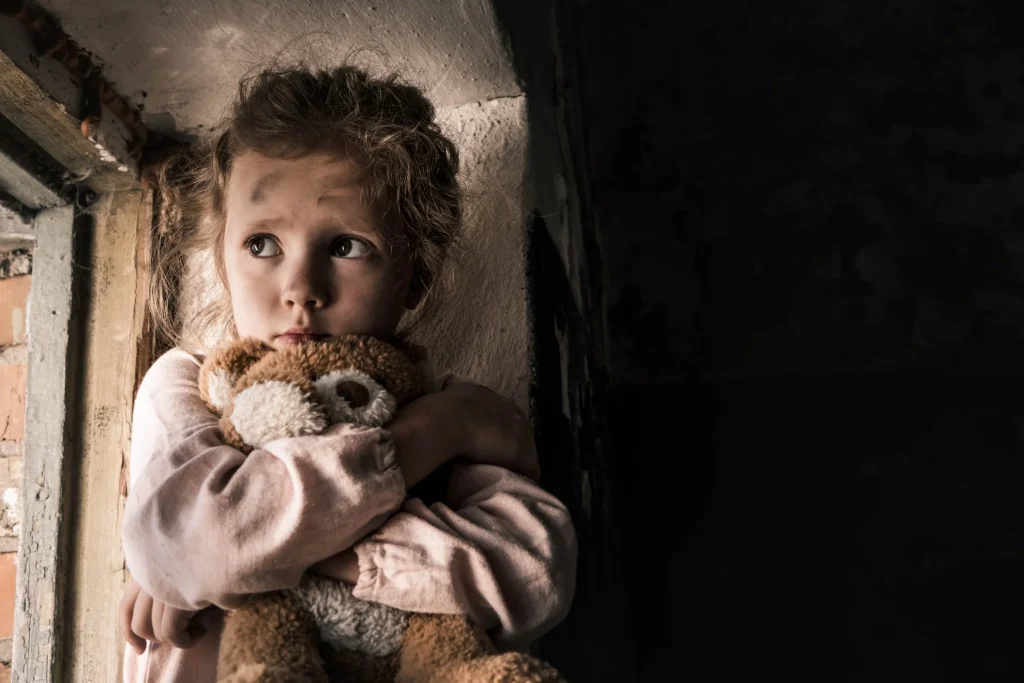

During our formative years, our understanding of life and the world around us is still developing. Our caregivers often form the framework through which we learn about safety, trust and connection. When a child experiences trauma, whether through domestic violence, the loss of a loved one or a natural disaster, their sense of safety can be disrupted, leaving a lasting impact long after the original event.
When we lose that innate sense of safety and protection, we learn to anticipate danger. Our brains are designed to protect us, and when the world feels unpredictable, being constantly alert to potential threats can become a way of coping. This might present as a reactive fear response, difficulty trusting others, or a need to maintain control in situations where control is not always possible.
As children, we develop different ways of navigating these experiences. Some might become withdrawn, others may become hypervigilant, while some learn to keep their emotions hidden to avoid further distress. Although these responses may have helped us feel safer at the time, they can follow us into adulthood, influencing our relationships, behaviours and ability to manage anxiety.
Predictability can begin to feel like safety, and uncertainty can feel threatening. We might find ourselves overthinking, anticipating the worst or avoiding situations that remind us of past experiences. Ultimately, trying to control an uncontrollable world is an exhausting task, particularly when our responses are shaped by experiences we may not fully understand.
Learning to sit with these feelings is inherently difficult, especially when we have spent years building walls of coping strategies, maladaptive or otherwise, to protect ourselves from painful memories.
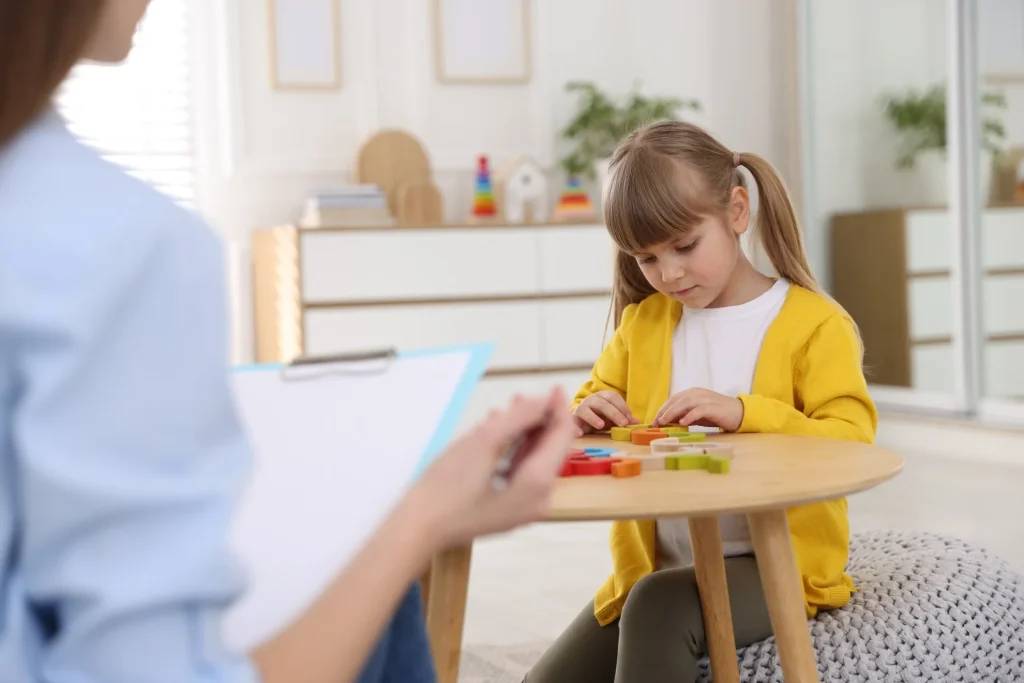
Through therapy, we can gradually explore these patterns, understand the purpose they once served and develop new ways of responding. By establishing a warm, genuine and empathetic therapeutic environment, we can begin to rebuild our sense of safety, learn to tolerate uncertainty and recognise that the strategies we needed as children may not be the strategies we need as adults.
We cannot change what happened to us, but we can learn to understand its impact and make choices that support the life we want to live.
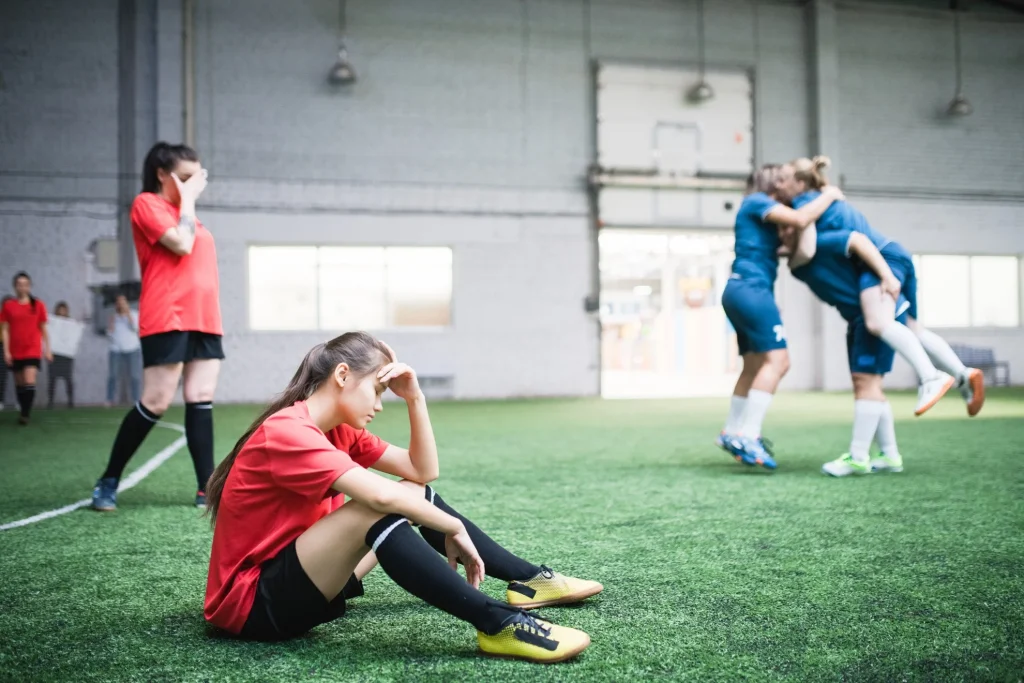
When Playing to Win Becomes Playing Not to Lose. Performance Anxiety in Young Female Athletes
I remember the feeling all too well. Turning up to NPL football trials, knowing that every touch, every pass and…
Read More